Written by Catherine Keys
The traditional workplace lifecycle is shifting. For decades, lease expiry often prompted a familiar response: relocate, redesign, rebuild. Today, that decision is less straightforward. Rising costs, changing work patterns and a stronger focus on sustainability are prompting organisations to pause and reconsider whether a new workplace is truly required, or whether the greatest opportunity may already exist within the one they have.
Across the property and workplace sectors, organisations are taking a more measured approach to workplace decisions. The conversation has shifted beyond securing more space or a new address. Increasingly, it is about understanding how existing environments can better support culture, performance and long-term flexibility. Relocation remains an important option, but it is no longer the automatic next step.
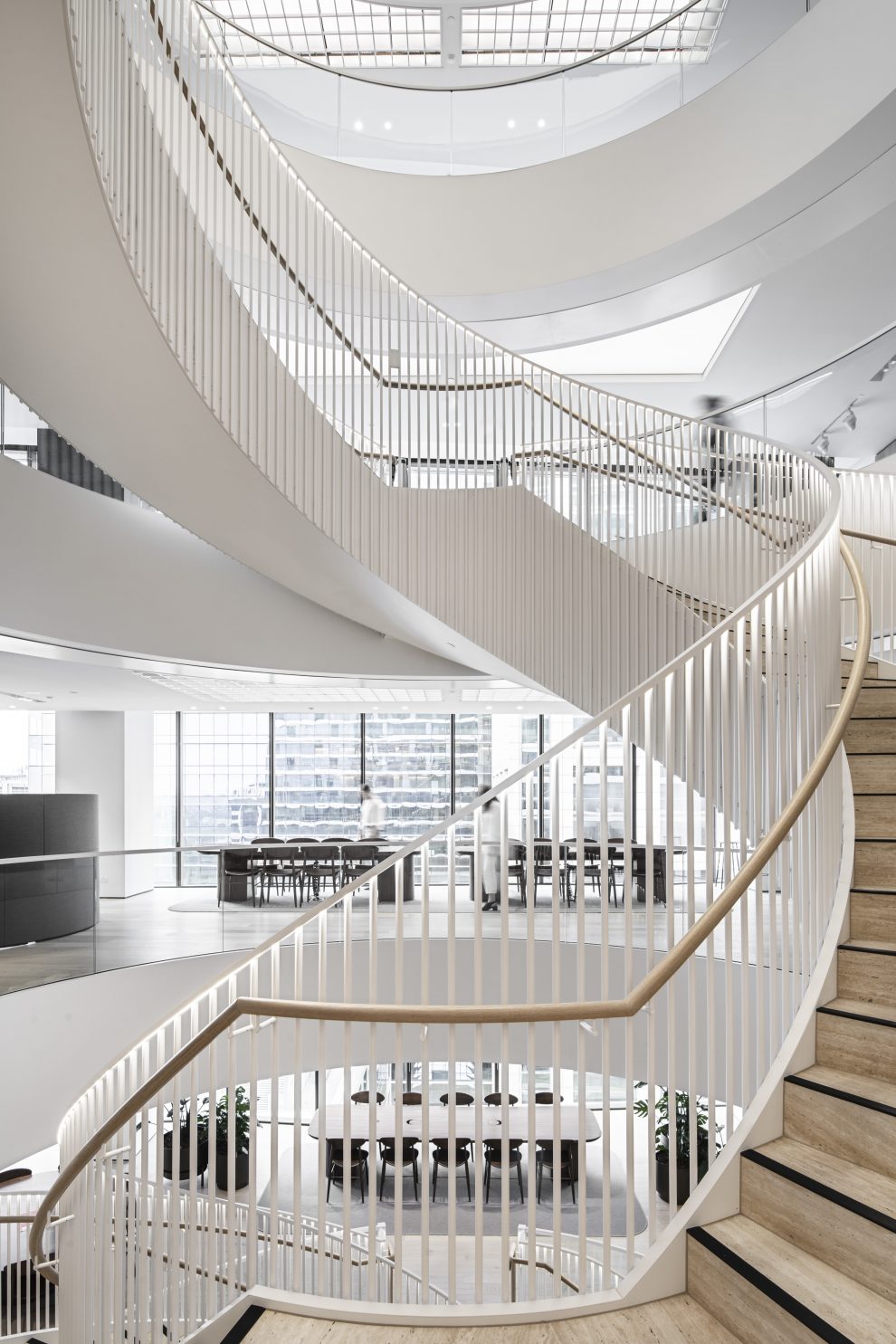
The workplace decision is changing
The market has entered a period of reassessment. Organisations are reviewing incentives, testing options and taking a closer look at how their space supports both business performance and culture.
Cost remains a major driver. Construction pricing, relocation expenditure and fitout costs have sharpened the realities of moving. At the same time, landlords are working harder to retain tenants, particularly larger occupiers whose departure may be difficult to replace. In markets such as Melbourne, limited new premium office supply is also shaping the outlook, narrowing immediate relocation options while increasing the value of well-positioned existing workplaces.
Yet financial considerations are only part of the equation. Location, amenity, workplace culture and environmental performance are increasingly influencing decision-making. Some organisations are returning to CBD locations, attracted by transport connectivity, premium amenity and strong incentives. Others are choosing city-fringe precincts that better align with brand positioning and talent attraction.
In both cases, the question is less about square metres and more about fit.
Why existing workplaces deserve a second look
One of the most overlooked aspects of workplace decision-making is the value already contained within an existing fitout.
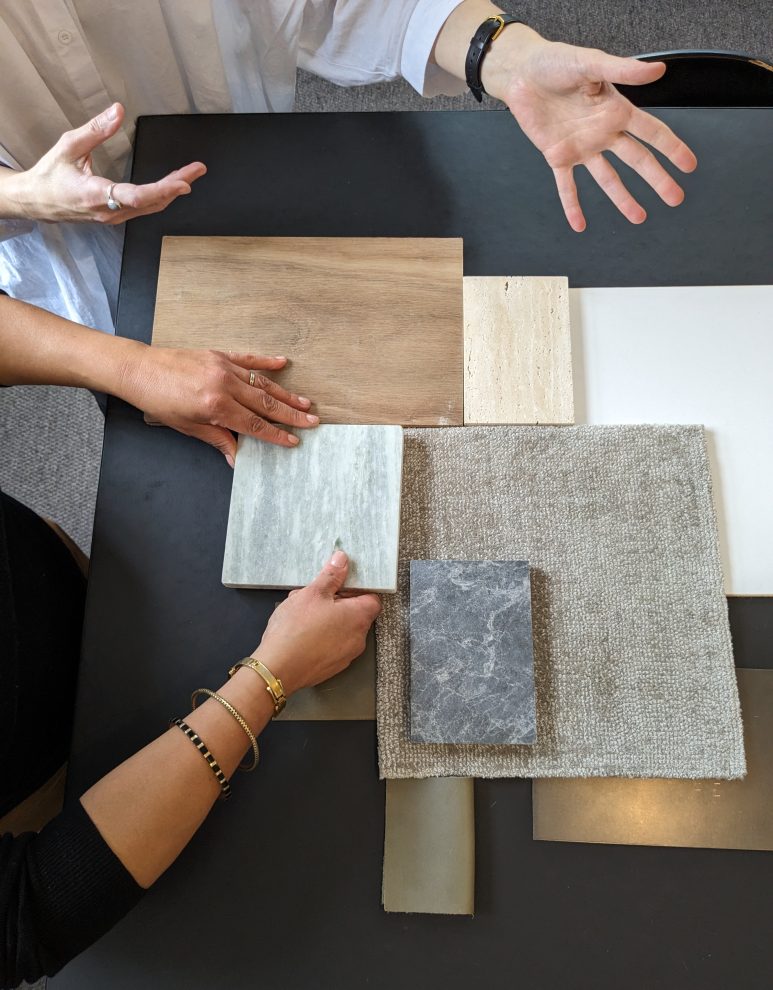
When organisations occupy a space for many years, familiarity can make it difficult to recognise potential. Teams often assume meaningful change requires complete replacement. Through workplace analysis, strategic briefing and spatial review, an interior designer can help uncover opportunities already embedded within the existing environment and reframe how the space could perform.
Strong infrastructure, durable materials and a clear spatial framework often provide a foundation for transformation. Rather than starting again, refurbishment can unlock value already invested within a workplace while reducing disruption and extending the life of existing materials.
Designing for longevity
The ability to refresh rather than replace is often determined by decisions made years earlier.
At Carr, workplace design is approached with longevity in mind. Rather than designing to trends, we focus on clarity, quality and purpose.
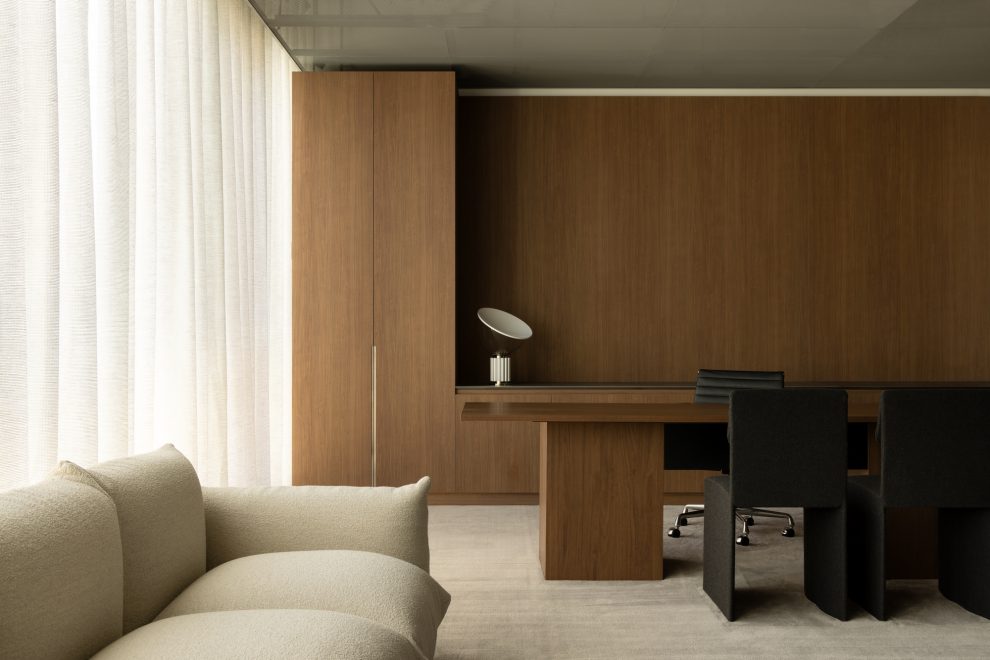
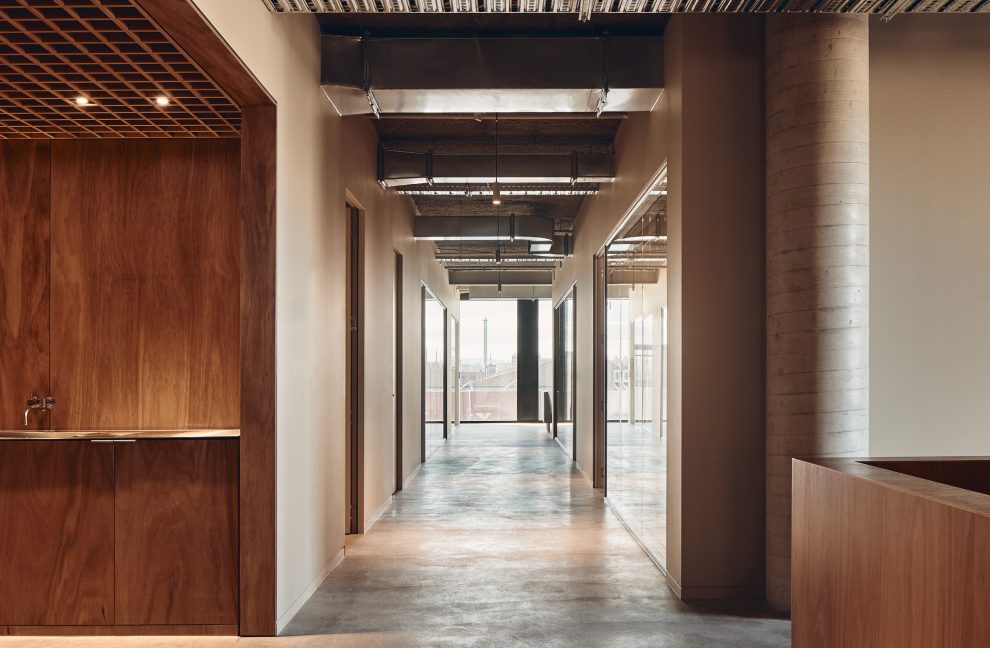
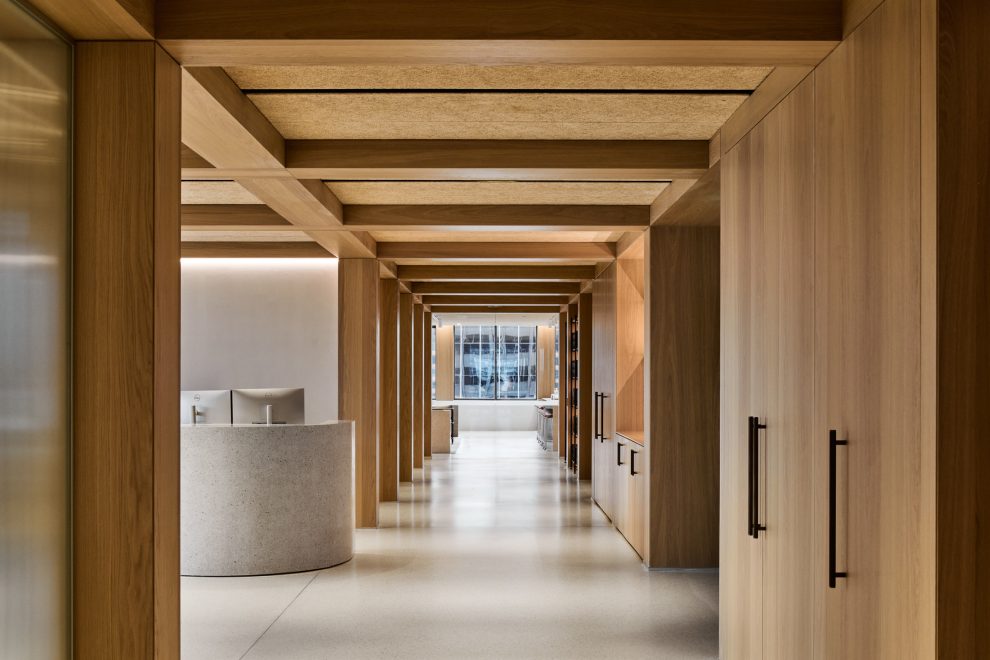
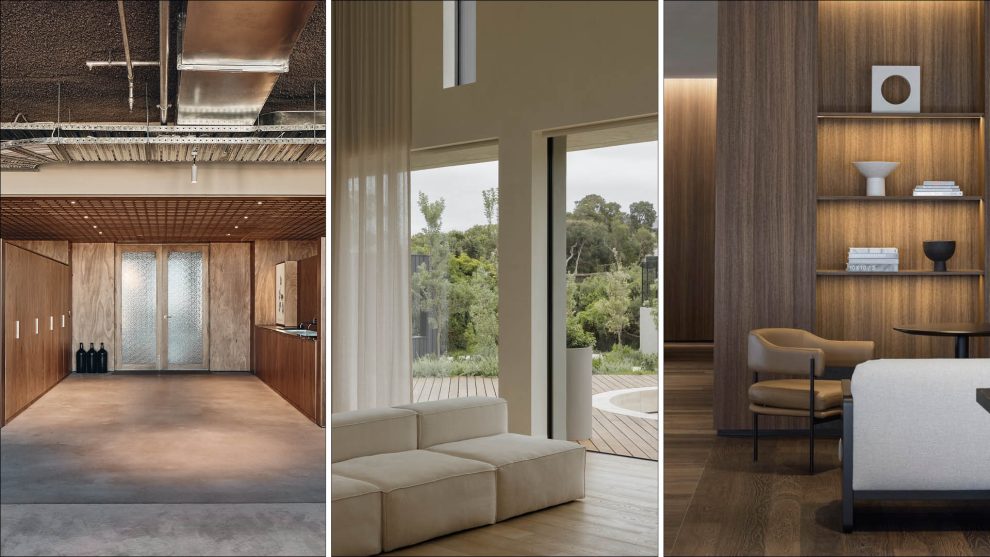
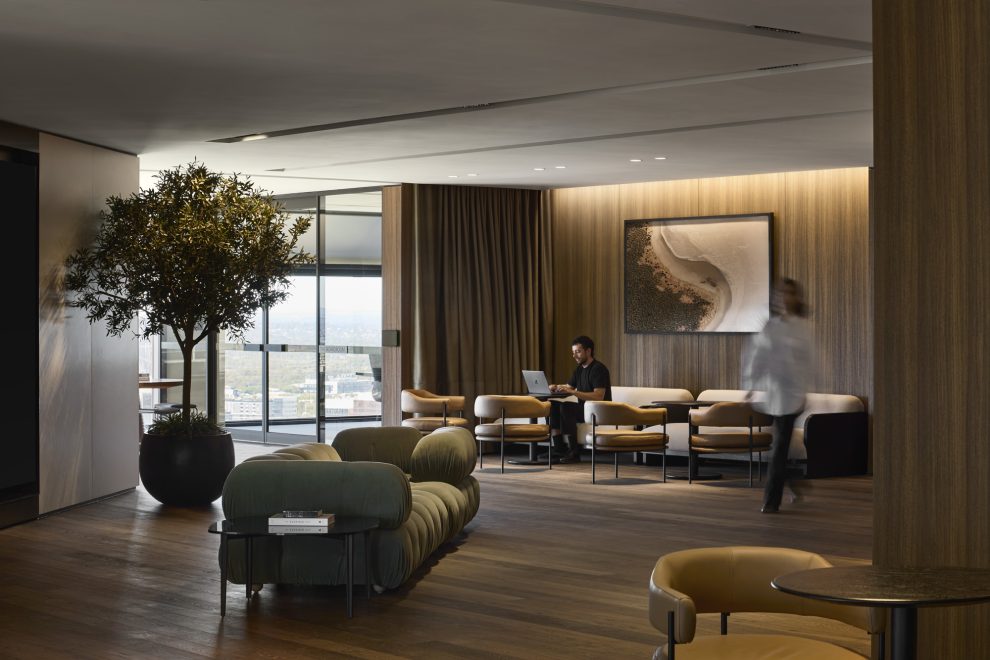
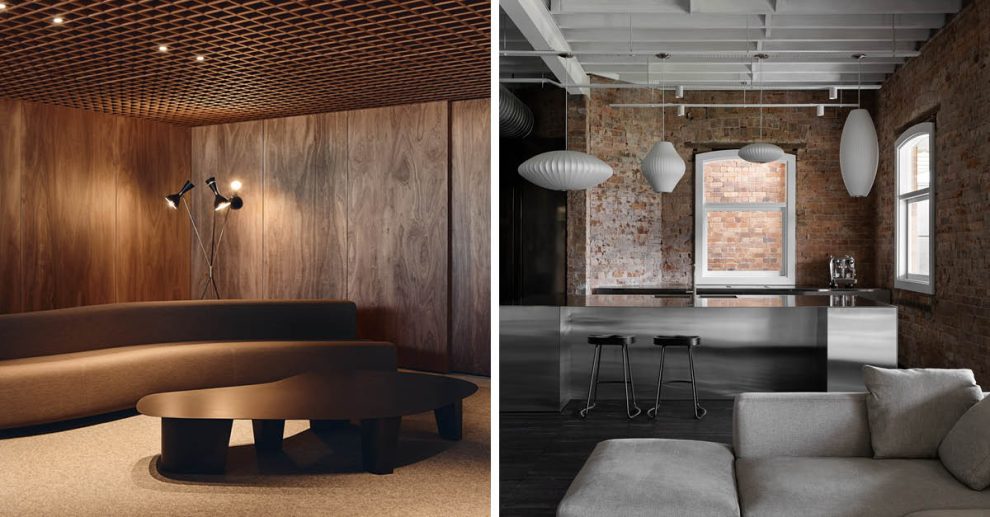
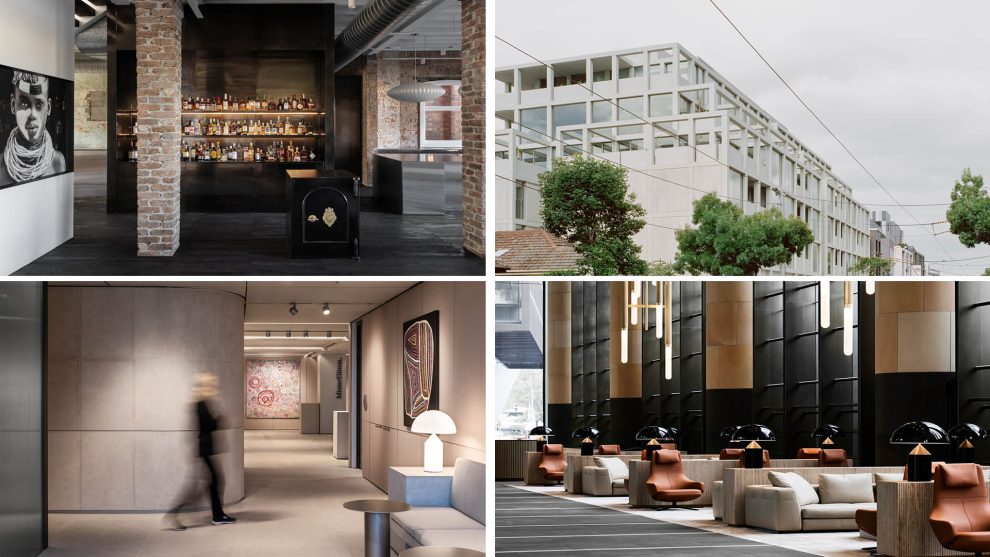
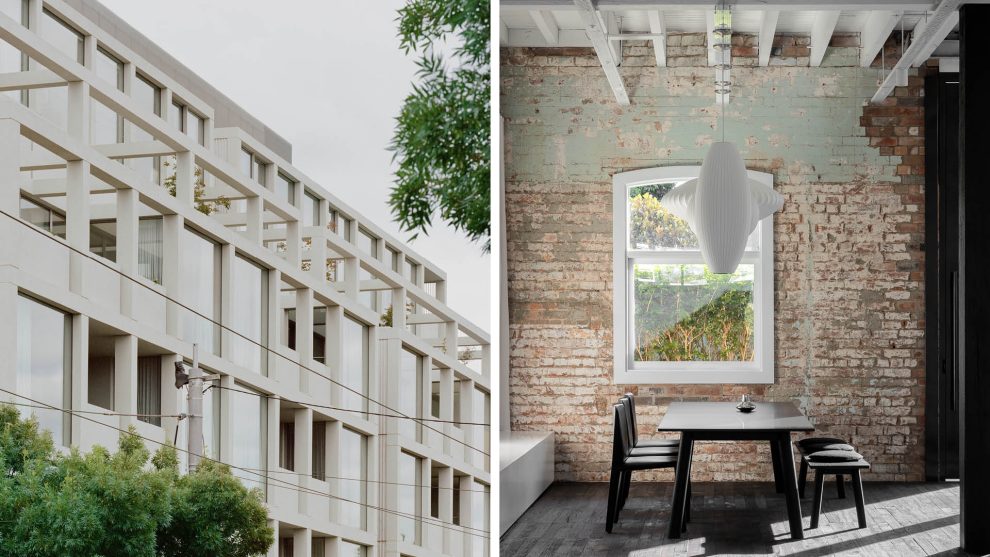
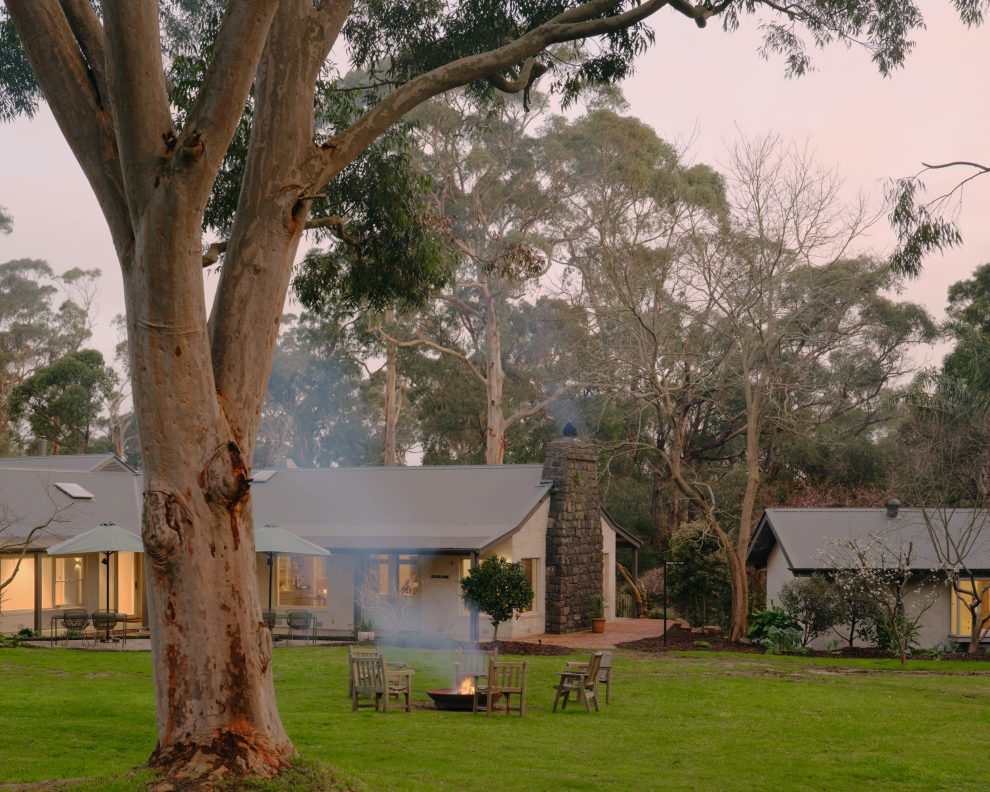
A recent workplace refresh for Merricks Capital, an Australian investment management company, demonstrates this in practice. The project adapted a workplace Carr designed more than a decade earlier for another tenant. Rather than replacing the fitout entirely, many of the existing foundations remained.
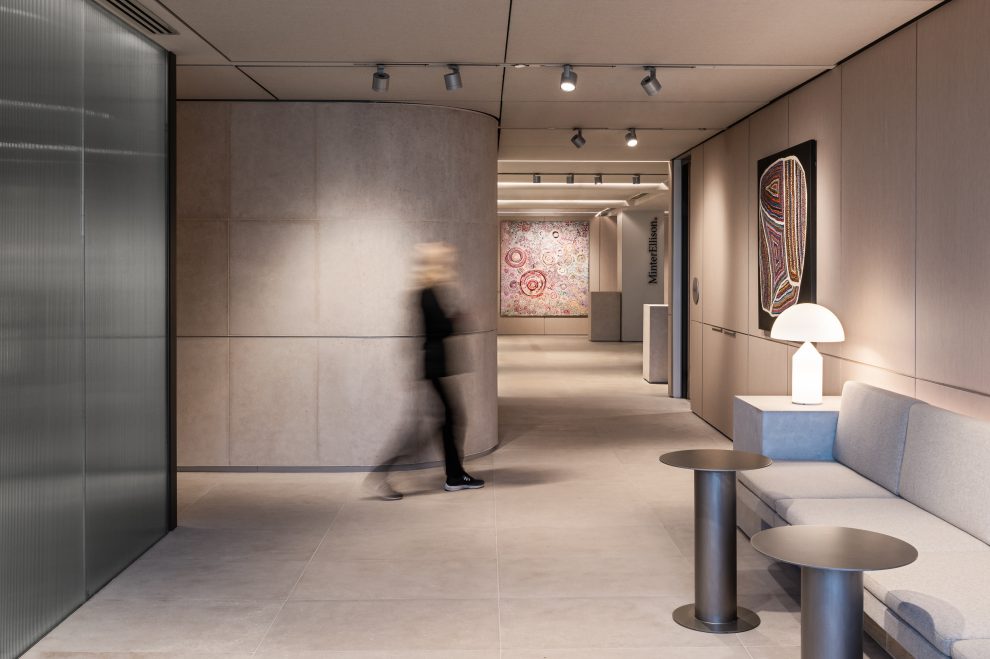
Key updates focused on experience rather than reconstruction. A traditional reception became a more hospitality-led arrival environment. Existing meeting areas were refined to better support client engagement. Underutilised offices were converted into focus rooms, reflecting the changing balance between collaboration and concentrated work.
The result was a workplace that felt renewed without requiring wholesale change. Importantly, the success of the project came from the original planning framework. Clear spatial organisation, durable materials and thoughtful detailing allowed the workplace to adapt to a new tenant without losing relevance.
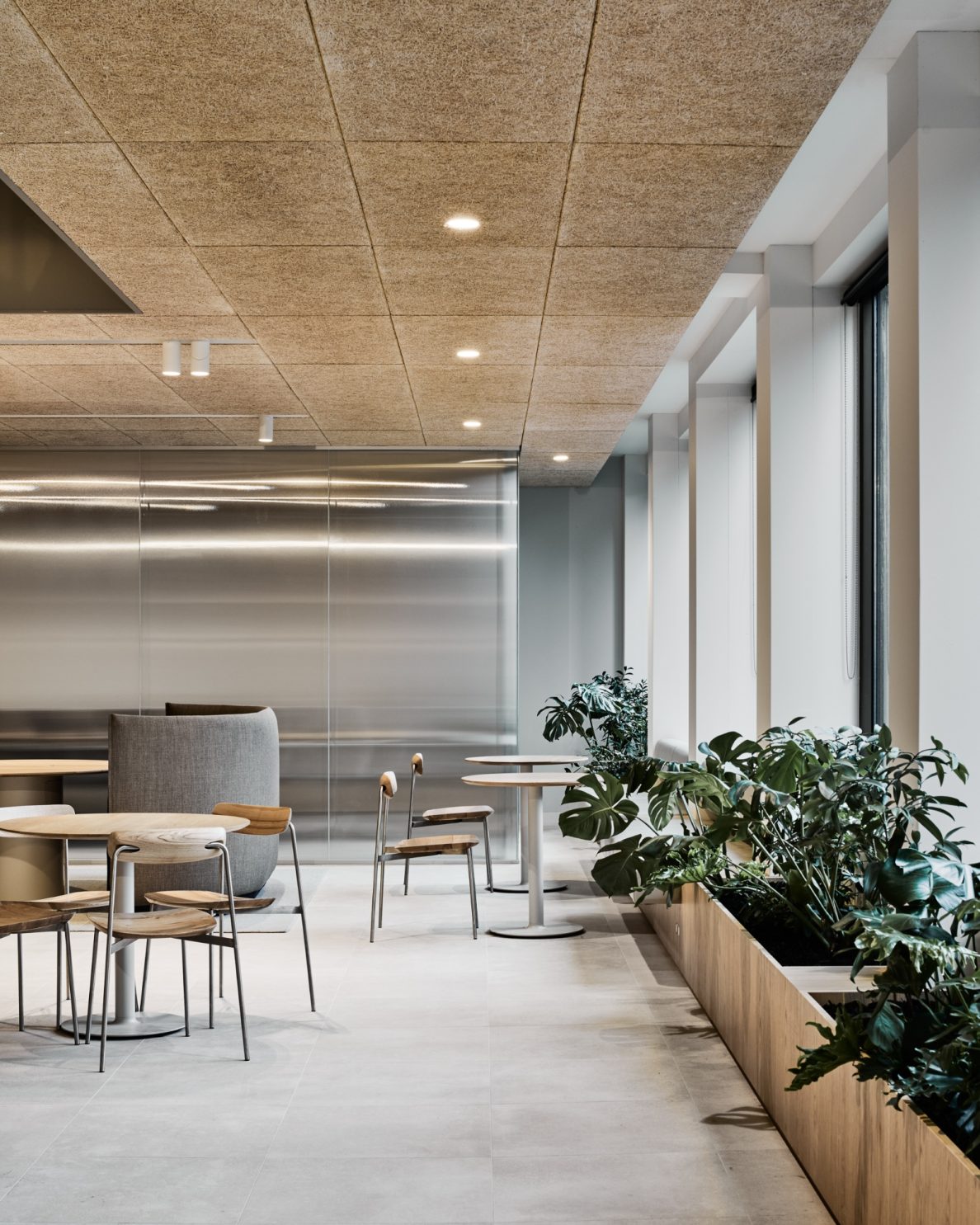
Testing change before committing to it
For some organisations, the question is not whether to stay or go, but how to evolve gradually.
A client occupying a large Melbourne workplace chose to remain in place, recognising the strength of the building, its connection to the surrounding precinct, and the enduring quality of the existing environment.
The client engaged Carr to design a pilot workspace rather than going straight into a refurbishment. This approach allows new ways of working to be tested before committing to a larger investment, creating space to iterate, learn and refine future priorities.
The also pilot enables teams to trial collaboration patterns, spatial preferences and evolving workplace behaviours over time. User feedback helps shape future investment decisions, creating a more informed pathway toward change.
This slower, evidence-based approach reflects a broader shift in workplace thinking. Instead of assuming what people need, organisations are increasingly using design as a tool for testing, learning and refinement.
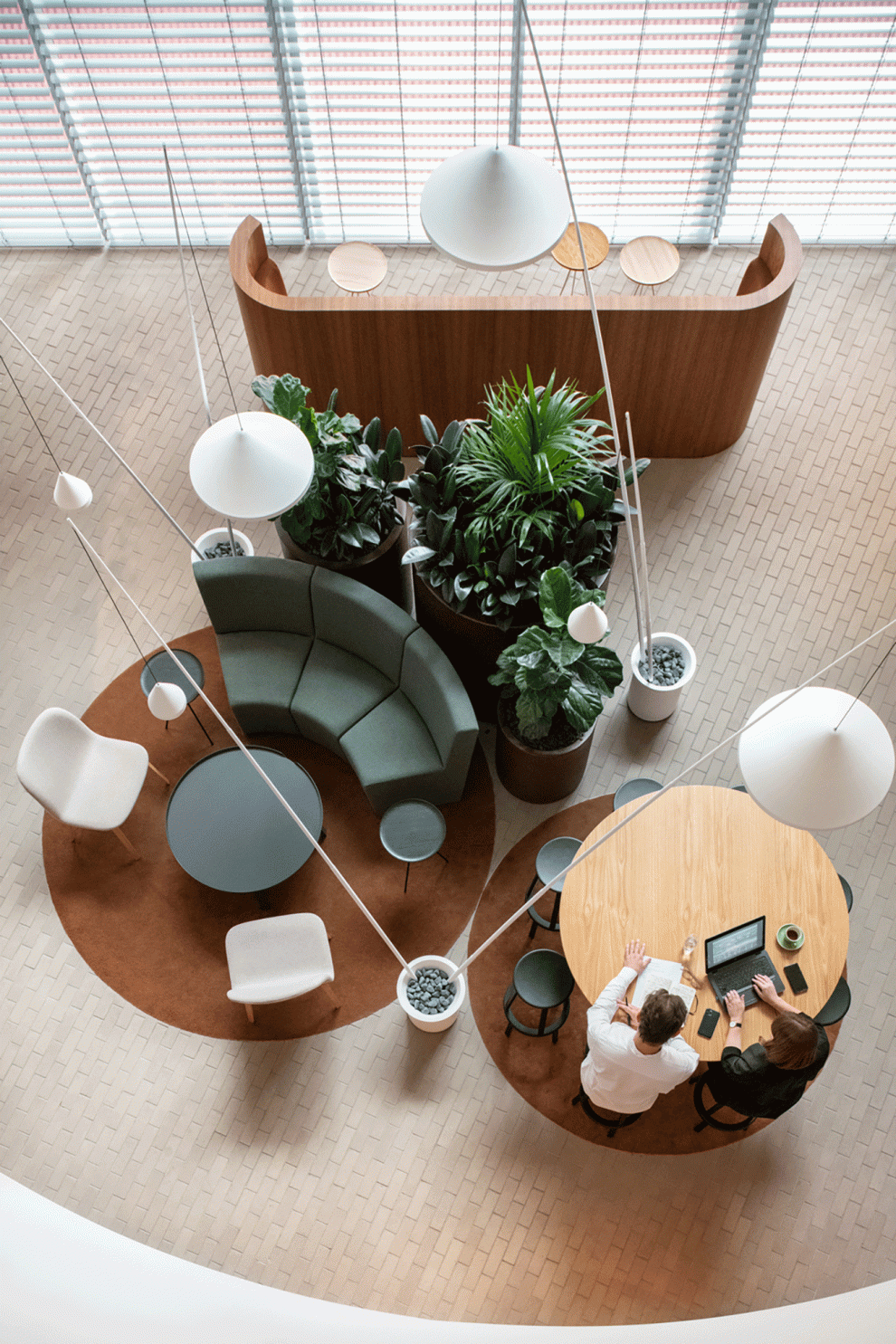
Designing for today’s workplace
Part of the workplace decision-making process is understanding how spatial needs have evolved. As hybrid work reshapes expectations, organisations are reassessing footprint and density through a broader lens. The focus is no longer simply on reducing workstation numbers or area, but on creating environments that better support how people work, connect and spend time together.
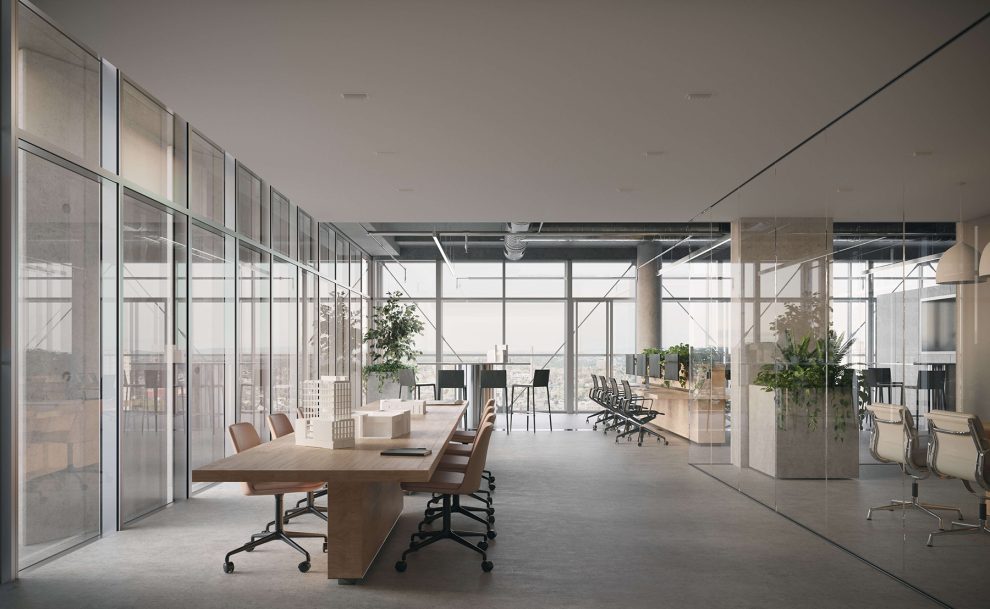
Across many projects, this shift is translating into a more varied workplace experience. Collaboration zones, focus rooms and retreat spaces are being prioritised to support different modes of work, balancing interaction with concentrated tasks. Wellness is also being considered more holistically, with spaces designed to support neurodiverse needs alongside access to natural light, acoustic comfort, planting and shared amenity.
At the same time, organisations are seeking spaces that better reflect identity and culture.
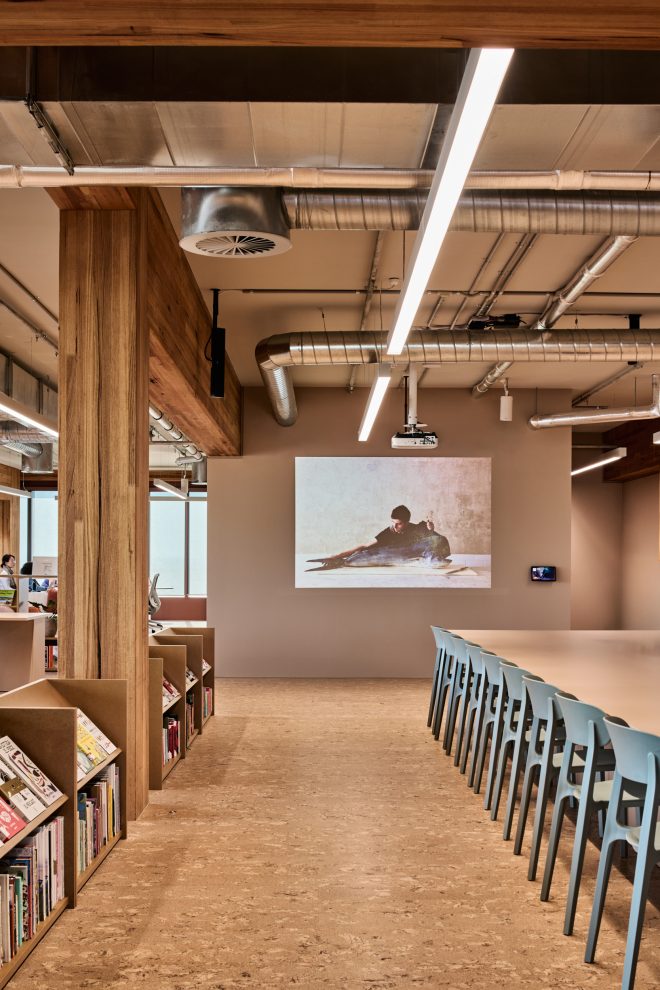
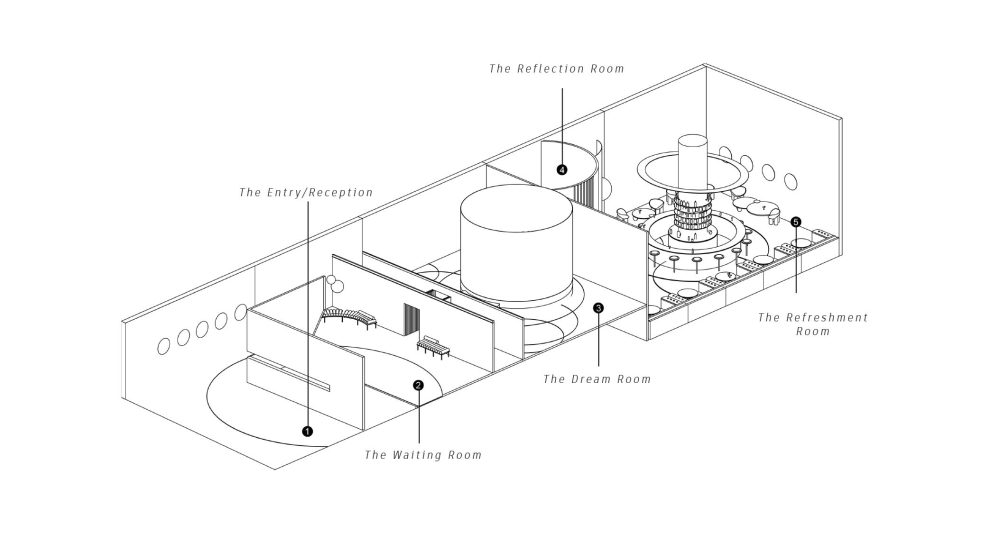
A current government client, for example, is developing a dedicated learning and engagement environment alongside its workplace. The space is designed to support collaboration, events and innovation, creating a setting that encourages new ways of thinking.
A longer view of workplace investment
The traditional ten-year fitout lifecycle is beginning to soften.
While lease terms still influence workplace decisions, organisations are becoming more open to staged upgrades and targeted refurbishment strategies. Rather than treating fitouts as fixed outcomes, there is growing value in creating environments that can evolve over time.
Flexible planning, adaptable infrastructure and thoughtful material choices allow workplaces to respond to future change without requiring complete replacement. The most enduring workplaces are not necessarily those that remain untouched. They are the ones designed to adapt.
The question is no longer simply where to work. It is how existing space can work harder, longer and more meaningfully for the people who use it.
Read more of Catherine’s insights on workplace design